
Menu
» Conservatorship
What are collateral consequences of conviction?
Impacts include employment, licensing, housing, immigration, firearm rights, and voting/jury rights (for some felonies).
Why hire an attorney for a conservatorship?
The process is paperwork-intensive and requires court hearings. An attorney can prepare filings, represent you in court, ensure compliance with reporting, and advise on alternatives like trusts or powers of attorney.
Are conservatorships supervised by the court?
Yes. Conservators must file regular reports and accountings, and the court monitors their actions to ensure they act properly.
How is a conservatorship different from a power of attorney?
A power of attorney is created voluntarily by a competent adult. A conservatorship is court-imposed when a person can no longer make decisions and has not signed estate planning documents beforehand.
How long does a conservatorship last?
It lasts until terminated by the court—often when the conservatee regains capacity, passes away, or when the court decides it is no longer necessary.
Does a conservator have unlimited authority?
No. A conservator only has the powers granted by the court. In limited conservatorships, authority is restricted to specific areas such as education, medical decisions, or contracts.
What are the responsibilities of a conservator?
Depending on the type of conservatorship, duties may include providing food, shelter, and medical care, managing bank accounts and property, filing regular reports with the court, and making decisions in the conservatee’s best interest.
How does someone start a conservatorship?
A petition must be filed in the probate court of the county where the proposed conservatee lives. The court schedules a hearing, notifies relatives, and may appoint an investigator to interview the proposed conservatee.
Who can be appointed as a conservator?
Typically, a spouse, adult child, parent, sibling, or close relative. If no family is available or suitable, a professional conservator or public guardian may be appointed.
What types of conservatorships exist in California?
Conservatorship of the Person – conservator makes decisions about health care, food, clothing, and living arrangements. • Conservatorship of the Estate – conservator manages finances, assets, income, and debts. • Limited Conservatorship – for adults with developmental disabilities; powers are limited. • LPS Conservatorship – for individuals with serious mental health conditions requiring special care.
Meet Our Partners

Marie Comstock Marie Comstock is the managing partner of Comstock and Wagner. She co-founded the firm in 2011, with the goal of providing skilled and compassionate service to family law clients in Santa Maria, Santa Barbara County, and the Central Coast. Prior to Read More
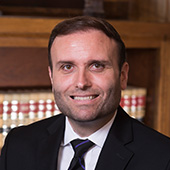
Stephen Wagner Stephen Wagner is a partner at Comstock & Wagner and has devoted his entire legal career to the practice of California Family Law. Steve is a California board-certified family law specialist and, in addition to his family law practice, he has taught… Read More
