
Menu
» Probate
Why hire a probate attorney?
A probate attorney helps navigate filings, avoid mistakes, resolve disputes, and ensure assets are distributed correctly.
What are common challenges during probate?
Family disputes, creditor claims, difficulty locating assets, and court delays are common challenges.
Can probate be avoided?
Yes. Common probate-avoidance tools include living trusts, joint tenancy, POD/TOD accounts, and transfer-on-death deeds.
How much does probate cost in California?
Probate costs include court filing fees, appraisal fees, publication fees, and attorney/executor fees. Attorney and executor compensation is set by statute and based on the estate’s value.
What is the role of the executor or administrator?
The executor (named in a will) or administrator (appointed if there is no will) files the probate petition, manages estate assets, notifies heirs and creditors, pays debts and taxes, and distributes assets according to law.
What happens if there is no will?
If there is no will, the estate is distributed under California intestate succession laws, which prioritize spouses, children, and close relatives.
What assets go through probate?
Assets subject to probate include real estate owned solely by the decedent, bank accounts without beneficiaries, vehicles, investments, and personal property not held in trust or joint ownership. Assets with designated beneficiaries usually bypass probate.
How long does probate take?
On average, probate in California takes 9 to 18 months, depending on the estate’s size, complexity, and disputes.
Is probate always required in California?
Not always. Probate is typically required if the estate’s value exceeds the small estate limit, if the decedent owned real property outside of a trust or joint tenancy, or if no estate planning tools were used. Certain assets—like trusts, joint accounts, and POD accounts—do not require probate.
What is probate?
Probate is the court-supervised legal process of administering a deceased person’s estate. It involves proving the validity of a will, identifying heirs, paying debts and taxes, and distributing remaining assets.
Meet Our Partners

Marie Comstock Marie Comstock is the managing partner of Comstock and Wagner. She co-founded the firm in 2011, with the goal of providing skilled and compassionate service to family law clients in Santa Maria, Santa Barbara County, and the Central Coast. Prior to Read More
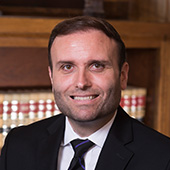
Stephen Wagner Stephen Wagner is a partner at Comstock & Wagner and has devoted his entire legal career to the practice of California Family Law. Steve is a California board-certified family law specialist and, in addition to his family law practice, he has taught… Read More
